Prosocial – India’s Leading Hospitality Marketing Agency

Helping Hotels & Resorts Build Stronger Direct Demand

+9190******21 | in**@*******al.in

Marketing

hotel marketing pros-cons

Modern Vs. Traditional Hotel Marketing : Pros & Cons

In the ever-evolving and competitive hospitality industry, effective ways is vital for hotels to stay ahead and attract customers. With the advent of technology and changing consumer behavior, traditional hotel marketing methods are facing tough competition from modern approaches.  In this blog, we will delve into the pros and cons of both modern and traditional hotel marketing strategies to help you understand their differences and make informed decisions for your hotel’s marketing efforts. Traditional Hotel Marketing Traditional hotel marketing refers to conventional practices that have been used for decades. These methods typically include print media advertising, direct mail campaigns, billboards, and word-of-mouth referrals. Pros 1. Familiarity and reliability: Traditional marketing methods have a long-standing history and are trusted by many consumers. Older generations may be more familiar with these methods, making them a potentially effective way to target specific demographics. 2. Tangible and personalized: Physical advertisements provide a tangible presence and can leave a lasting impression on potential guests. Direct mail campaigns can also be personalized, creating a sense of exclusivity and personal connection. Cons 1. Limited reach and targeting: Unlike modern methods, traditional marketing strategies have relatively limited reach and targeting capabilities. It may be challenging to reach a broader audience or specific niche markets. 2. High costs and difficulty in tracking ROI: The cost associated with traditional ways, such as print advertisements and billboards, can be significant. Moreover, tracking return on investment (ROI) can be challenging, making it difficult to evaluate the effectiveness of these methods. Modern Hotel Marketing Modern hotel marketing encompasses a range of digital strategies leveraging technology and online platforms. These methods include social media marketing, influencer partnerships, search engine optimization (SEO), email marketing, and online booking systems. Here are the pros and cons: Pros of Modern Hotel Marketing 1. Wider reach and better targeting: With digital market, you can reach a vast audience globally. Advanced targeting options enable precise audience segmentation, allowing you to target specific demographics or interest groups. 2. Cost-effective and measurable ROI: Digital methods are generally more cost-effective than traditional approaches. Additionally, the ability to track and measure results in real time allows for better evaluation of returns on investments. Cons of Modern Hotel Marketing 1. Ever-changing landscape: The digital world evolves rapidly, requiring continuous learning and adaptation. Staying up-to-date with the latest trends and algorithms can be challenging for some hoteliers. 2. Potential saturation and competition: With the rise of social media platforms, many hotels are now operating within the digital space. Consequently, this can lead to increased competition and saturation, making it harder to stand out from the crowd. Conclusion Both traditional and modern hotel marketing strategies have their own set of pros and cons. Ultimately, finding the right balance in your hotel’s market approach is crucial. Consider your target audience, budget, and brand positioning to determine which methods will yield the best results for your hotel. Remember, your hospitality marketing agency, Prosocial, is here to assist you in making informed decisions and achieving your goals. By combining the strengths of both traditional and modern strategies, you can create a comprehensive plan that maximizes your hotel’s visibility, attracts guests, and drives revenue growth in today’s dynamic marketplace.

Modern Vs. Traditional Hotel Marketing : Pros & Cons Read More »
Hotel Call-Center - Prosocial

5 Must-Haves for Hotel Call Center: Re-evaluate Your Voice Channels

In today’s digital era, where technology is constantly evolving, the hospitality industry needs to consider its voice channels and ensure that the hotel call center is up to par. With numerous communication avenues, hotels must focus on enhancing the customer experience and streamlining their operations. In this blog post, we will explore the must-haves for a successful call center in the hotel industry. Hotel Call-Center Must-Haves This hotel must-have will help you reinvent and re-evaluate the voice channels. You would not want to miss out on the most important thing. 1. Efficient Hotel Call Center Routing: By investing in a robust interactive voice response system, hotels can categorize calls based on different departments, such as reservations, concierge, or guest services.  Implementing advanced call-routing algorithms ensures that guests are connected to the right representative swiftly, reducing wait times and increasing customer satisfaction. 2. Multi-Channel Integration in Hotel Call Center: In today’s interconnected world, guests may reach out to hotels via various channels such as phone calls, email, live chat, or social media. Ensuring these channels are seamlessly integrated within your call center is crucial.  Implementing a unified communication system allows hotel call center representatives to have a holistic view of guest interactions across different platforms, providing a more personalized experience and avoiding repetitive requests. 3. Comprehensive Guest Profiles: The hotel guest profiles should include essential information such as guest preferences, and past interactions. Armed with this knowledge, representatives can create tailored experiences, anticipate guest needs, and resolve issues promptly. Integrating the hotel’s customer relationship management system with call-center operations can streamline the process. 4. Advanced Analytics and Reporting: To optimize performance and identify areas for improvement, hotel call centers need robust analytics and reporting capabilities. By tracking key metrics such as call volume, average handling time, and customer satisfaction scores, hotels can assess call center efficiency. Analytics can also help hotels identify training needs for representatives, resulting in improved performance and guest satisfaction. 5. Continuous Training and Development: Investing in continuous training and development programs for call center representatives is vital for success. Training can focus on effective communication skills, problem-solving techniques, and product knowledge. By nurturing a highly skilled and knowledgeable call center team, hotels can provide exceptional service and handle guest inquiries with professionalism and efficiency. To Sum Up The hotel call center plays a critical role in today’s digital landscape. By re-evaluating voice channels and implementing essential features hotels can enhance their call-center operations. As technology evolves, staying at the forefront of innovation in customer service will differentiate hotels from their competitors and foster long-lasting guest relationships.

5 Must-Haves for Hotel Call Center: Re-evaluate Your Voice Channels Read More »

hotel marketing channels - prosocial

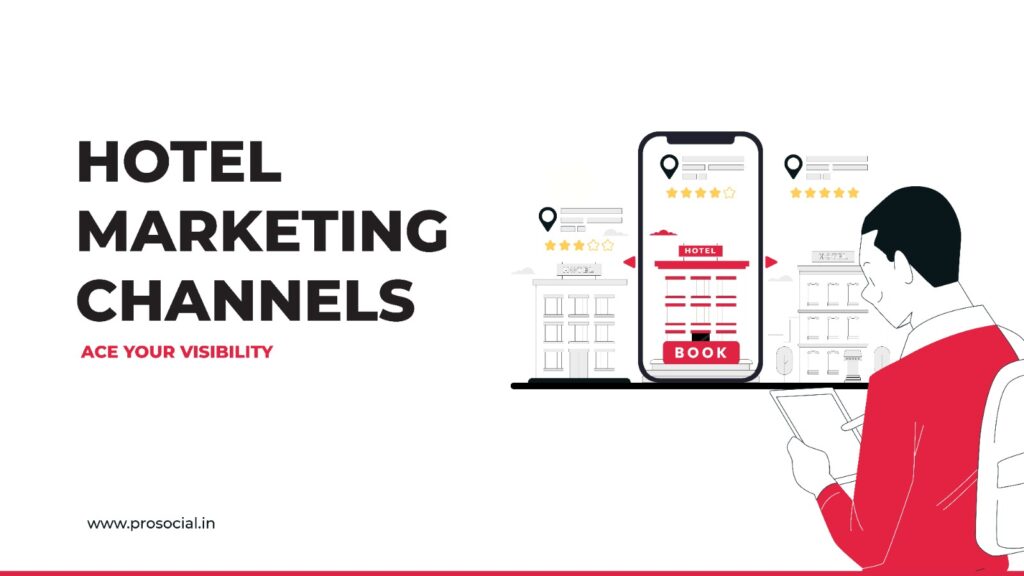
Hotel Marketing Channels: Ace Your Visibility

With the multitude of marketing channels available, it’s crucial for hotels to identify the most effective marketing platforms and maximize their potential. In this blog post, you will learn everything you need about the top 7 hotel marketing channels. Top 7 Hotel Marketing Channels 1. Website A hotel’s website serves as the cornerstone of its online presence. It should be visually appealing, user-friendly, and optimized for mobile devices. Implementing a seamless booking engine, offering enticing package deals, and showcasing high-quality images and informative content will help convert website visitors into guests. 2. S.E.O for Hotel Marketing Having a strong presence n search engines is imperative in today’s digital landscape. Optimizing your website’s content with relevant keywords, creating quality backlinks, and implementing a robust SEO strategy will increase your hotel’s visibility in search engine results. Local SEO efforts should also be a priority, as potential guests often search for accommodations in specific locations. 3. Pay Per Click Advertising Using PPC advertising platforms like Google Ads and Bing Ads allows hotels to target specific keywords and demographics to reach potential guests. Creating compelling ad copy, utilizing ad extensions, and optimizing landing pages are critical for maximizing conversions. Regular monitoring and optimization of PPC campaigns are key to ensuring a high return on investment. 4. Social Media Platforms Social Media platforms are powerful tools for engaging with potential guests and building brand loyalty. Hotels can efficiently showcase their amenities, provide exclusive offers, and share visually appealing content. Identifying the most relevant platforms for your target audience, creating engaging posts, and fostering two-way communication will help keep your hotel top of mind. 5. Email Marketing for Hotel Email marketing remains one of the most effective channels for nurturing leads and retaining existing guests. Building an email list through opt-in forms and providing valuable content, such as exclusive offers, destination guides, and personalized recommendations. This will keep guests engaged as well as encourage repeat bookings. Automation features can streamline the process and maximize efficiency. 6. Online Travel Agencies (OTA) Partnering with OTAs such as Booking.com and Expedia, as well as TripAdvisor can exponentially expand your hotel’s reach to a global audience. Optimizing your property listings with high-quality images, detailed descriptions, and positive guest reviews is crucial. Managing rates, availability, and content regularly across multiple OTAs will ensure consistency and maximize exposure. 7. Influencer Marketing Collaborating with influential travel bloggers and social media personalities can significantly amplify your hotel’s visibility. Identifying relevant influencers, offering unique experiences or free stays, and leveraging user-generated content will generate buzz and attract new guests. Additionally, tracking and analyzing the impact of influencer campaigns will help measure their effectiveness. To Conclude The hotel marketing landscape is vast and significantly evolving, representing both opportunities and challenges. By strategically utilizing the top seven marketing channels, hotels can effectively reach their target audience, drive bookings, and foster guest loyalty. Hence, regular monitoring, optimization, and staying up-to-date with industry trends are crucial for staying ahead of the competition and achieving marketing success in the hospitality industry.

Hotel Marketing Channels: Ace Your Visibility Read More »

email marketing - prosocial

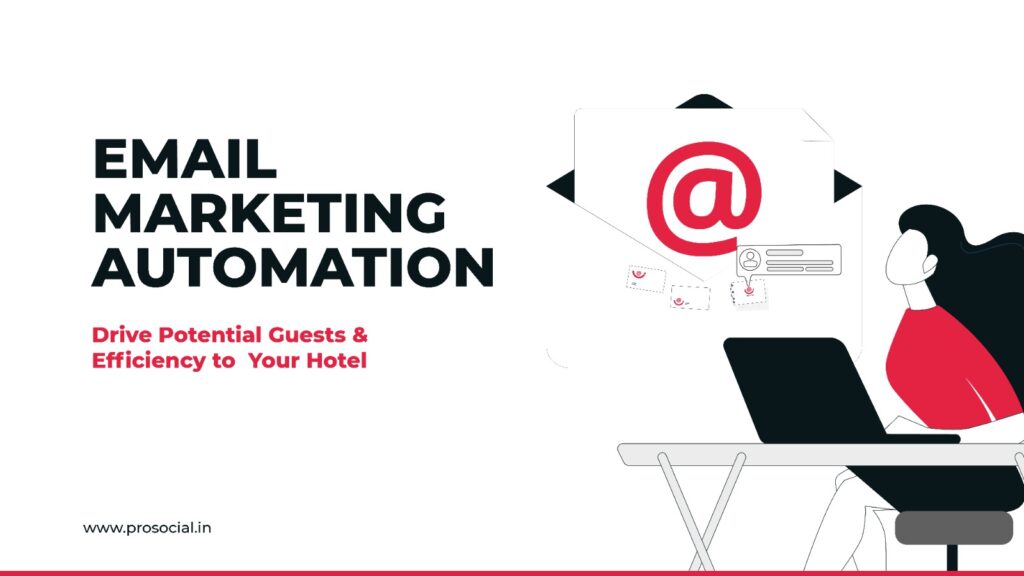
Email Marketing Automation: Drive Potential Guests & Efficiency to Your Hotel

The hospitality industry has always relied on customer service and personal interaction to drive success. But with the emergence of email marketing, hotel businesses have been presented with an effective and efficient way to stay connected with their guests. Email marketing has the potential to revolutionize the way the hospitality industry interacts with its customers, and there are a variety of powerful strategies that can help you make the most of it.  Email Marketing Tips for Driving Efficiency Personalized Guest Engagement: One of the key advantages of email marketing automation is the ability to deliver personalized content to potential guests. By segmenting your email list based on various factors such as demographics, interests, and preferences, you can create highly targeted campaigns that resonate with your audience. Personalized emails have a higher chance of capturing attention and converting potential guests into bookings. Effective Lead Nurturing: Email marketing automation allows you to nurture leads at every stage of the customer journey. By setting up automated email workflows, you can send timely and relevant messages to potential guests, guiding them through the decision-making process. Whether it’s exclusive offers, event invitations, or informative content, your emails can build trust and foster long-term relationships with prospects. Streamlined Booking Process: Automation is crucial for streamlining the booking process and ensuring a seamless user experience. By integrating your email marketing platform with your hotel’s booking system, you can automate reservation confirmations, reminders, and post-stay follow-ups. Automated emails can include personalized booking details, links for online check-in, and special requests, reducing the need for manual intervention and enhancing efficiency. Upselling & Cross-Selling Opportunities: Email marketing automation enables you to increase revenue by effectively promoting upselling and cross-selling opportunities. By analyzing guest data and purchase history, you can send targeted emails offering upgrades, and add-ons. Or recommended services that align with their preferences. Such personalized suggestions can greatly enhance the guest experience while maximizing your revenue potential. Re-engagement & Retention: Email automation is not just for attracting new guests; it is also a powerful tool for re-engaging previous customers and increasing their loyalty. Sending targeted re-engagement emails to inactive subscribers, you can remind them of your hotel’s unique offerings, special promotions, or loyalty rewards programs. Build a Successful Email Marketing Automation Build the best email marketing practices that can easily drive customers to your property. This helps on various levels to increase visibility and engagement. Build a quality email list by using opt-in forms on your website, social media, and during booking/checkout processes. Segment your audience based on demographics, interests, booking history, or any relevant data points to send more personalized emails. Test different email subject lines, layouts, and call-to-action buttons to optimize engagement and conversion rate MOntor and analyze email campaign performance by tracking open rates, click-through rates, and conversions, and adjust your strategy accordingly. Craft compelling and relevant content that adds value to your audience’s lives such as destination guides, local events, and offers. To Conclude In today’s competitive hospitality industry, email marketing automation is a game changer. It allows you to deliver personalized messages, nurture leads effectively, streamline the booking process, and boost guest engagement. By following best practices and staying up-to-date with email marketing trends, you can harness the power of automation to drive potential guests and maximize the efficiency of your hotel marketing efforts.

Email Marketing Automation: Drive Potential Guests & Efficiency to Your Hotel Read More »

Strategy with Structure | Ace Your Hotel Marketing Plan

When you see two stacks of clips where the placement of one stack is not appropriate, and the other shows the opposite of it. What do you feel? Will the stack attract which is randomly placed anywhere or to the one whose placement is in structure? The same thing is happening in hotel business marketing. We guess the second one, that is well structured and set correctly. Because it depicts how important it is to keep things in formation. To manage any hospitality business, structure plays an important role that gives a strategic approach. A business’s marketing plan is the structure of its products or services. They need a proper system and strategy to achieve good branding. You must develop a marketing plan to grow your client base, boost your company’s profitability, and maximize the return on investment. A marketing strategy will keep you in structure: You will be able to achieve your goals. It will help you to understand your intended market. A great structural plan will help to make profits from new trends. Keeping up with trends is crucial to succeeding in the cutthroat marketing sector and keeping your audience interested.  We at ProSocial Hospitality Marketing Agency help businesses with an effective strategic plan to ensure they are well-mannered. We help them with Advertising Strategy, Promotional strategies, Marketing Roadmap, Graphic Designing, Content Strategy, and Research. Prosocial aim to improve our client’s businesses and help them achieve their marketing objectives by offering creative and practical brand marketing with PR solutions. Our hospitality agency is a multifaceted, creative firm that specializes in result-driven marketing.  Our distinctiveness comes from our capacity to grasp, devote, and craft above your aspirations to deliver quality work.

Strategy with Structure | Ace Your Hotel Marketing Plan Read More »

hotel - google's algorithm

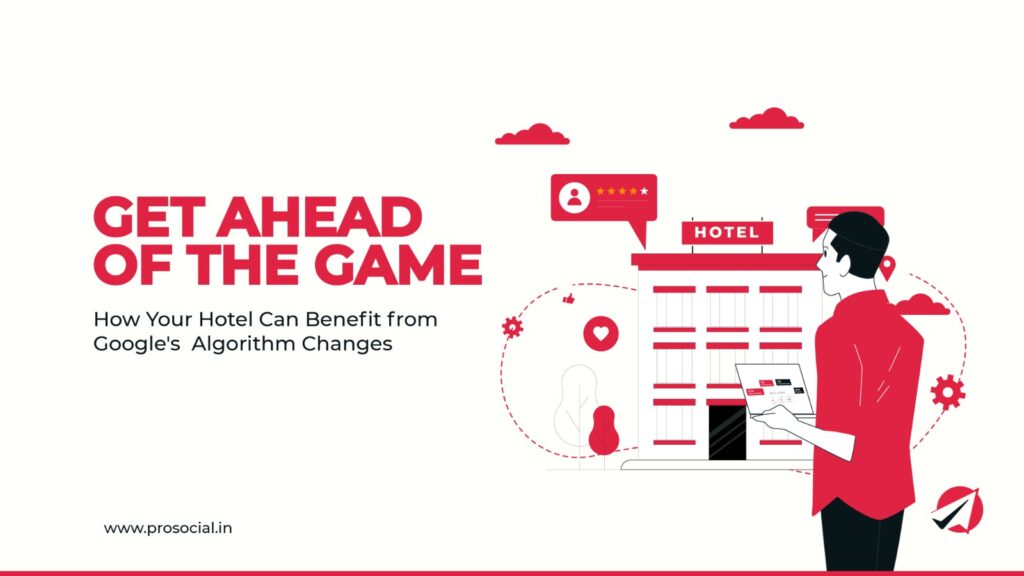
Get Ahead of the Game | How Your Hotel Can Benefit From Google’s Algorithm Changes

Google’s continuous algorithm updates have the potential to make or break businesses, but it’s not all doom and gloom for the hospitality industry. With the recent changes to Google’s algorithm, hotels now have an opportunity to ace their web page game and boost their visibility. These changes allow hotels to showcase their unique offerings in a way that resonates with travelers. Read more to know how Google’s Algorithm plays a crucial role in ranking your website. How can Hotels Benefit from Google Algorithm Changes? Google regularly updates its algorithm to ensure that search results are relevant and of high quality. This means that hotel websites must meet certain criteria to rank higher in search results. By understanding and implementing the latest algorithm changes, your hotel can benefit from increased website traffic and ultimately, more bookings. What Factors Does Google Emphasizes? One of the key aspects of Google’s algorithm changes is the emphasis on user experience. Google now considers some of the necessary web page factors when determining search rankings. They are: Page Load Speed Mobile Optimization Website Usability It is crucial for hotel websites to ensure that they provide a seamless browsing experience for users across all devices, including smartphones and tablets. By improving the overall user-friendliness web page experience, you can improve your search rankings. How to Increase Organic Traffic on Website Page? Google looks into the increasing importance of high-quality and relevant content on your website. Hotel websites should focus on providing valuable information to users, such as  Detailed descriptions of rooms and amenities Local attractions and activities Customer reviews By regularly updating your website with fresh and informative content, you can improve your website’s relevancy and authority, leading to higher website visibility. Can Hotels Optimize Content for Local Search? Yes, hotels can definitely optimize content specifically for local search. This means that hotel websites should optimize their meta tags to  Target specific geographic locations Incorporate relevant keywords and phrases that potential guests might use when searching for accommodations in your area By optimizing your website for local search, you can increase your chances of appearing in the desired “Local Pack” results and attract more local guests to your hotel. In Conclusion, With Google’s algorithm changes affecting the visibility of hotel websites, it is crucial for businesses in the hospitality industry to stay updated.  By enlisting the services of a professional hospitality marketing agency like Prosocial, hotels can benefit from expert guidance on optimizing their online presence and ensuring higher rankings on search engine results.

Get Ahead of the Game | How Your Hotel Can Benefit From Google’s Algorithm Changes Read More »

The Secrets Behind SEO Content Strategy

You have been optimizing your site or your client’s site for months and one day you decide to spy on your competitors and see they are ranking for all kinds of keywords and getting significant traffic to their site. But how are they doing it? What are you missing? Is this question bothering you? Then read this blog and let your doubt bubbles vanish. Combining your content strategy with your SEO strategy is the way to ensure you maximize organic traffic opportunities and stay on track when it comes to results. Today’s SEO tactics involve several aspects, pillars, and beneficial acts to ensure higher success. While keywords are still part of that plan, you’ll need to take extra steps and concentrate on creating and implementing a better SEO approach.  Ready to learn more about it? If you’ve answered yes to this question, then the four pillars of SEO can help! 1. Technical SEO  Search engines focus on the technical setup or framing of your website. As the site owner, pay close attention to the following:  Navigation – provide a positive user experience Indexability – search engine’s ability to analyse and add a page to its index Mobile Optimization – 70% of users search on the mobile Quick page loading speeds – how fast your webpage loads decides how many users remain on the website. These hidden elements can positively or negatively affect your rankings.  2. Content Your content is an important aspect of your website and SEO strategy. Content structure or hierarchy should provide the best, most relevant answers to a searcher’s question. All content created for each stage of the buyer’s journey needs optimization.  3. On-Page SEO  On-page SEO relates to your website content and HTML and the ways to optimize them to boost rankings. In addition to keeping your website content well-structured and optimized for keywords, you can also increase on-page optimization by:  URLs – It should say what your page is about Keywords- use words and phrases your audience searches for Including meta descriptions – it impact clicks Incorporating keywords into headings/page titles Inserting strong CTAs Including local keywords, if required 4. Off-Page SEO  Off-page SEO focuses optimization outside your website. Links to your website from other trusted websites increase your authority with readers and build trust with search engine algorithms. Incorporating a backlinking strategy, earning links from other websites, shares on social media platforms, and other mentions of your website across the Internet can increase your optimization efforts.  These SEO 4 pillars can help you create an SEO strategy that drives traffic and revenue for your business. And if you need assistance implementing the four pillars of SEO, Prosocial can help. Stay Tuned! 

The Secrets Behind SEO Content Strategy Read More »

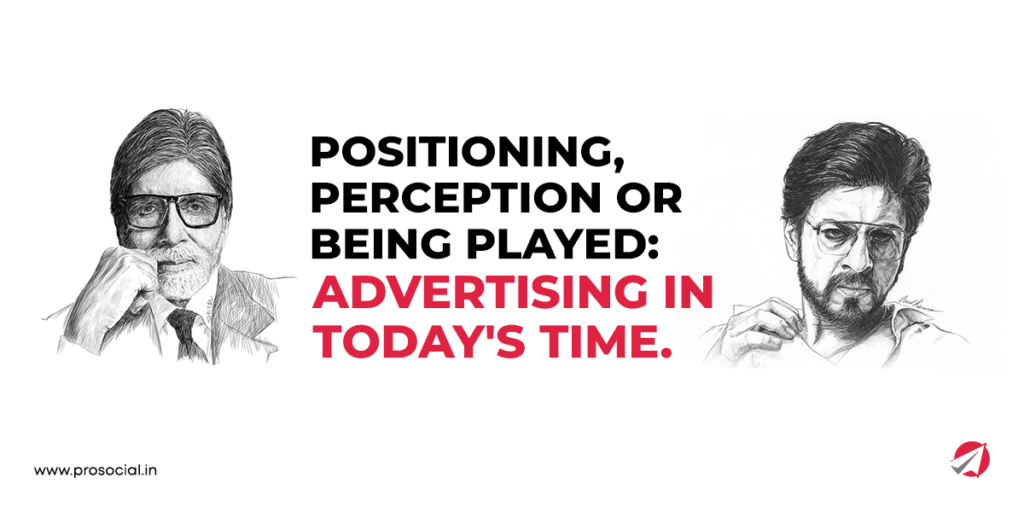
Positioning, Perception or being Played: Advertising in today’s time.

Recently, two big jaw-dropping news of the advertising and marketing industry got us thinking. Amitabh Bacchan decided to pull out from his endorsement deal with Kamla Pasand, a pan masala brand and Byju’s pulling off ads featuring Shahrukh Khan after his son Aryan Khan’s alleged drug episode. The incidents put a spotlight on how the halo effect can affect the perception of people related to celebrity endorsements. Endorsement by celebrities cannot only help position but also re-position existing brands. The brands can receive criticism as well as an appreciation for their decisions at such times. Byju’s led to a sudden increase in sales as it introduced Shahrukh Khan as their brand face, the actor being popular among all age groups but when the recent incident happened, the brand’s knee-jerk reaction was trolled and supported too. While in Big B’s case, he took the right decision of stepping out and paved the way for others to follow. The law prohibits advertisements for products that are harmful to consume. So marketers use other products that are its extension or resemble them to promote or advertise them indirectly. This is called as surrogate advertising. The Advertising Standards Council of India’s guidance says that “celebrities should not participate in advertisements of products which by law require a health warning in their ads or packaging”. In nutshell, brands should always remember the words of advertising tycoon Leo Burnett: “Let’s gear our advertising to sell goods but let’s recognise also that advertising has a broad social responsibility.” If your brand’s human face is in the bad books of society then you should take care of that because as a brand you are passing on the wrong message to others. Also, if you are in a recognizable position then you must be aware of your doings and act wisely.  Stay tuned.

Positioning, Perception or being Played: Advertising in today’s time. Read More »

How to succeed when you have big shoes to fill?

Having big shoes to fill is a big opportunity, but also presents challenges. Shifting to a new position or taking business risks can feel a bit nerve-wracking.  When Tim Cook took over for Steve Jobs in 2011, Apple employees — along with shareholders and the rest of the world — doubted if he could fill his predecessor’s shoes and maintain the company’s momentum.  While you likely won’t have the entire world watching you, taking over new tasks can have a significant impact on the business — or likely, both — can be exciting and scary at the same time.  To increase your chances of success, implement the key strategies below. Do your homework before you start.You will need to get up to speed on the prerequisite knowledge. This may involve getting smart on the company’s product, a key client, an industry vertical, or functional knowledge adjacent to your area of expertise. Be yourself.Don’t try to be an expected personality or leadership style or be someone you’re not. Try to implement new ideas or take challenges within your limits. Assess the team.Given your top priorities, you’ll want to assess if you have the right team to accomplish them.  Check your mindset.Having big shoes to fill can make you question your own capabilities and whether you have what it takes to meet the standard set by others. Imposter syndrome is not uncommon, especially as you get more senior and are faced with completely new challenges.  Seek ongoing feedback and support.Create feedback loops to receive early and often what’s going well and what’s going less well, so you can make real-time adjustments, as needed. Using the strategies above, you can prove to yourself and others that the shoes you’ve been given are just your size and you are ready for any type of challenge. 

How to succeed when you have big shoes to fill? Read More »

How to improve website conversion?

Conversion rate is defined by your website usability, trust in your brand, relevancy of the incoming traffic, and a myriad of other factors. The average website conversion rate of e-commerce in India is 1.10%. Many sites only have a 0.1% to 0.2% conversion rate. It takes 1000 customers to get 1 customer.  So, let’s see how we can get more customers with the traffic we already have. Add pop-upAccording to standard results, the average popup conversion rate is 11.09%. But certain things need to be kept in mind while adding pop-ups Lure customers through offers Keep a 30-second delay timer on the pop-up, this avoids the annoyance Closing pop-ups should be easy Pop should appear only once per user Remove unnecessary forms We always avoid filling out an online form, just to be scared away by too many required fields. It kills your conversion rate. Remove all unnecessary form fields, leaving only those that are essential to accomplishing your goal. Add testimonials and client logos No one wants to be the first person to use your product or service. So, you gain their trust by showing them reviews and client logos you have worked with. Avoid distractions Your landing pages should be clear, concise and easy to navigate. You can use heatmaps to see exactly what people click on.  Strengthen your CTA copyGeneric CTAs like “Sign up” or “book now” won’t increase your conversion rate. CTAs starting with “Yes” can give you good results. Try this formula: Yes, I want (offer)! Live ChatBox – Capture warm leads while they’re still on your site. They can help visitors who have lingering doubt or question that keeps them from taking that last step. A/B test headlines – 8 out of 10 people read your headline. When A/B testing your headline, experiment with variables such as Length, tone, use of statistics and use of numbers. These are some tips to help you increase your conversion rate, but now it’s time to test your site and figure out what you need to do. Stay connected.

How to improve website conversion? Read More »